









10th June 2026
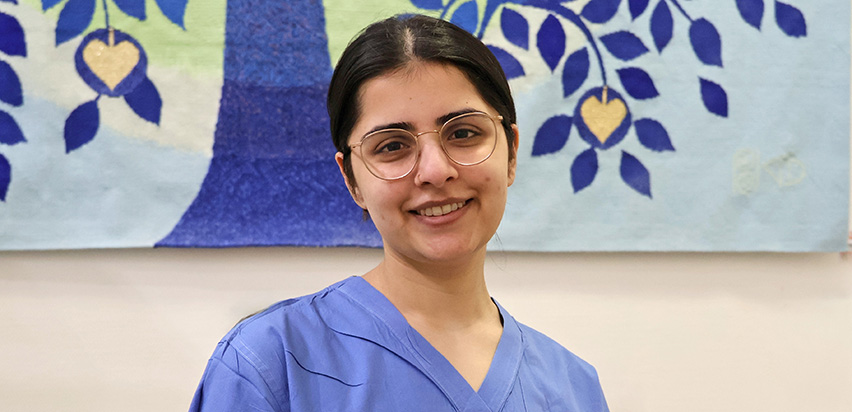
Meet Mahreen Khosa - Clinical Trials Pharmacist
Access to breakthrough treatments is made possible by the teams who commit themselves to every stage of the clinical trial process. At Mater Private Network in Dublin, Mahreen Khosa plays a key role in supporting haematology and oncology clinical trials, helping to manage investigational medications and ensuring every aspect of treatment is delivered safely and in line with strict clinical protocols.
Mahreen has been working as a clinical trials pharmacist since 2023, having already been part of the Mater Private pharmacy team before moving into the role. From reviewing medications and building treatment plans within the electronic health record, to training teams and supporting patients throughout the trial process, her work helps ensure that patients can access potentially life-changing therapies without unnecessary delays.
We spoke with Mahreen about what her role involves, the importance of clinical trials, and what she enjoys most about working in this fast-moving area of cancer care.
What does a Clinical Trials Pharmacist do?
As a Clinical Trials Pharmacist, I’m responsible for managing investigational medicinal products, which are the drugs being used within clinical trials, and ensuring we are compliant with regulations.
From the moment a consultant decides they want to run a trial in our hospital, I’m involved in all of the medication-related aspects. This includes carrying out feasibility reviews to determine whether we can conduct the trial safely and effectively, including whether we have the correct storage conditions and capacity for the medication.
Because many of these drugs are completely new and not yet available on the market, I also work closely with the Electronic Health Record (EHR) team to build treatment plans within our system. I’m involved in training pharmacy and nursing teams on dispensing and administration processes, and I also dispense medications for patients taking part in trials.
Ultimately, my role is about making sure all of the medication-related elements are managed properly so that patients can begin treatment safely and without delays.
What does your role mean for patients taking part in clinical trials?
One of the most important aspects of my role is helping to ensure patient safety.
I review each patient’s existing medications to check for safety risks or negative interactions with the trial medication. Many of these drugs are complex, and some treatments may require a period of time before a patient can safely begin the trial.
There is often only a short window of time for testing and screening, so it’s important to identify any issues early. If a medication risk is only discovered at the end of the screening process, it could potentially make the patient ineligible for the trial.
My role helps ensure everything runs smoothly so patients can access these new treatments safely and efficiently.
Emergency Department
A consultant-delivered service providing rapid access to specialist emergency teams when you need it most.
Learn more
Do you work across all clinical trials?
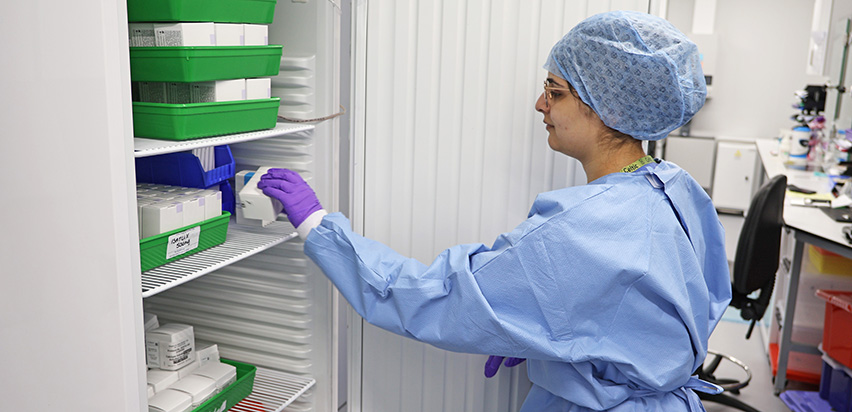
I work primarily within the aseptic compounding unit, where haematology and oncology medications are prepared, so my role focuses on haematology and oncology clinical trials.
At Mater Private Network, we currently have around 13 to 14 open trials within these areas, although not all of them will actively have patients enrolled at the same time. Other pharmacists within the dispensary team support cardiology trials involving medications.
What would you like people to know about clinical trials and the pharmacy team’s role in making them happen?
Clinical trials are incredibly important because they help us investigate new drugs and determine whether they are effective. They are how we make breakthroughs and continue to improve cancer care.
We’re now seeing more people living with cancer, and treatments continue to evolve. Clinical trials play a major role in that progress.
The pharmacy team’s role goes far beyond dispensing medications. We work closely with medical teams, nurses, and pharmaceutical companies to ensure every aspect of a patient’s care follows the clinical trial protocol and that patients are kept as safe as possible throughout the process.
What do you enjoy most about your role?
What I enjoy most is being involved in treatments that could become the future standard of care.
Some of the trials I’m working on now may become widely used treatments in years to come, and it’s rewarding to know I played a small part in that process.
I also enjoy the fact that I’m constantly learning. I’m always discovering new drugs, and the science behind them, which keeps the role interesting and exciting.
.jpg?sfvrsn=dec76e91_1)