





5th November 2026
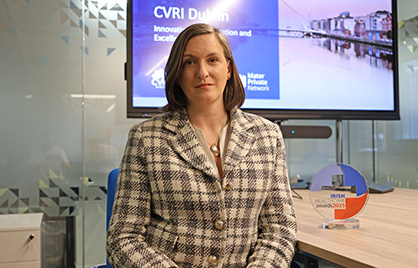
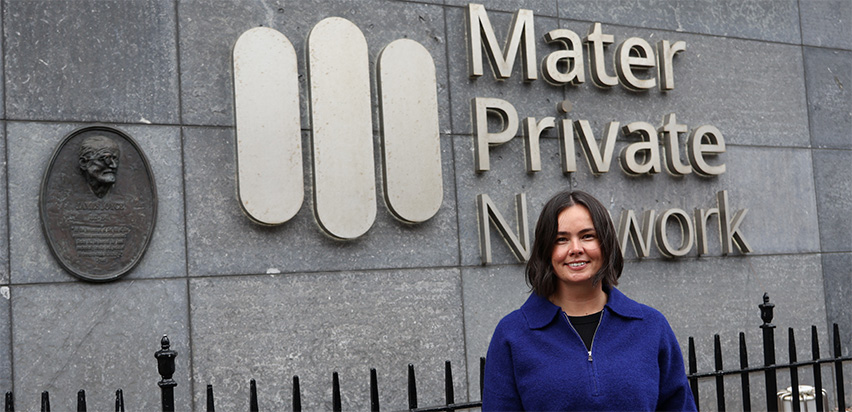
Meet Clodagh O'Donoghue - Head of Clinical Services
When patients think about their time in hospital, they tend to remember their consultant, their nurses and the people they saw at their bedside. Just as important, though often out of sight, are the teams who analyse samples, monitor heart function, support recovery, plan nutrition and help families through difficult moments. Coordinating and managing those services together is the job of Clodagh O’Donoghue, Head of Clinical Services at Mater Private Network.
Clodagh began her career as a radiographer, and the experience she gained along the way now shapes how she leads Physiotherapy, Laboratory, Social Work, Perfusion, Dietetics and Clinical Physiology. We asked her about her career, her role and what excellent patient care means to her.
Can you tell us a little about yourself and your career journey into healthcare?
I qualified as a radiographer and worked in London before moving to Australia, where I built up my clinical skills in a variety of healthcare settings. I was drawn to healthcare because it combines science with teamwork, and because it gives you the chance to make a genuine difference to people when they need it most.
After joining Mater Private Network as a senior radiographer, I went on to manage the Radiology Department. I loved that role because it kept me close to patient care while I supported and developed my team. I’m now Head of Clinical Services. My role has evolved, but my commitment to patients and to the colleagues who care for them hasn’t, and I feel very fortunate to work with such dedicated teams.
Can you describe your role and how it supports patient care? What does a typical day look like?
My role is to make sure the clinical departments I work with have the support, resources and direction they need to deliver safe, effective and compassionate care.
No two days are the same. I might meet with managers and clinical teams, look at service demand, plan improvements or work through an operational problem, and I work closely with colleagues across the hospital to keep things running smoothly. What I enjoy most is seeing how each service contributes to a patient’s care, from diagnosis and recovery to nutrition and emotional and practical support, and helping those teams work well together.
Physiotherapy
The physiotherapy teams across Mater Private Network provide a wide range of physiotherapy treatments to support our patients.
Learn more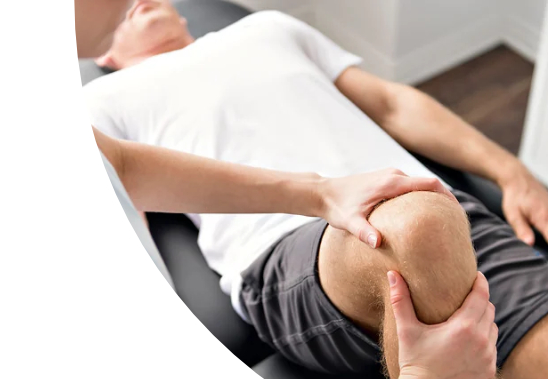
How do the different clinical departments and teams work together to provide the best possible experience for patients?
Collaboration is central to good healthcare, as no department can meet every patient’s needs alone.
Clinical physiology and the laboratory provide information that guides diagnosis and treatment, while the perfusion team plays a key role during cardiac procedures. Physiotherapists help patients regain mobility and confidence before and after procedures, dietitians support nutritional well-being throughout a patient’s time in our care, and social workers offer practical and emotional support to patients and families. When these teams work closely together, we can identify needs earlier, put the right supports in place and help patients feel looked after at every stage.
Which teams do you think play a particularly important role in the day-to-day running of the hospital, but don’t always get the recognition they deserve?
Many people contribute to the smooth running of a hospital, often out of sight, so it’s hard to choose just one team. The laboratory, clinical physiology and perfusion services give clinicians the information they need to make timely, informed decisions. Physiotherapy and dietetics have a major influence on recovery, helping patients rebuild strength, independence and quality of life, and our social work teams support patients and families through some of the most complex moments they face.
Patients don’t always see this work, but these teams make a real contribution every day.
What does excellent patient care mean to you?
To me, excellent care means treating each person as an individual, with kindness, dignity, respect and compassion.
Clinical expertise and safe, effective treatment are essential, but good care goes beyond this. It involves listening, explaining things clearly and understanding what matters to each patient, so they feel informed and supported. Patients may not recall every detail of their treatment, but they tend to remember how they were treated, and small gestures, such as taking time to listen or offering reassurance, can mean a great deal.
Supporting our staff matters just as much, because the quality of care patients receive depends on the people providing it. When colleagues feel valued, listened to and able to do their best work, that confidence and care carries through to every patient they look after.
What’s the most rewarding part of your job?
For me, the most rewarding part is seeing the difference our teams make to patients every day. Having worked clinically and then managed the Radiology team, I know patient care from the frontline. My current role covers a wider range of services, so I can contribute on a broader scale.
I enjoy watching colleagues grow and develop, seeing how teams collaborate and how that helps services evolve to meet patients’ needs.
Healthcare can be challenging, but it’s also fulfilling, and I’ve been fortunate to learn and grow alongside talented, dedicated colleagues. Knowing I’ve helped to improve patients’ experiences makes it all worthwhile.