







23rd March 2026
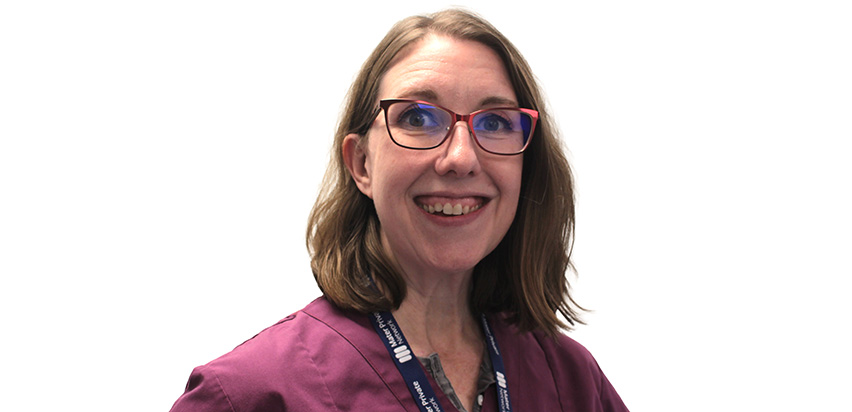
Meet Donna Dethloff – Clinical Nurse Manager for Urgent Cardiac Care and Emergency Department
In our Emergency Department (ED) and Urgent Cardiac Care (UCC) at our Cork hospital, Donna Dethloff, clinical nurse manager (CNM), combines clinical expertise, leadership, and patient-focused care.
In our recent interview, Donna explained what her role involves, what a typical day looks like in in ED and UCC, and what continues to motivate her and her team every day.
Can you describe your role?
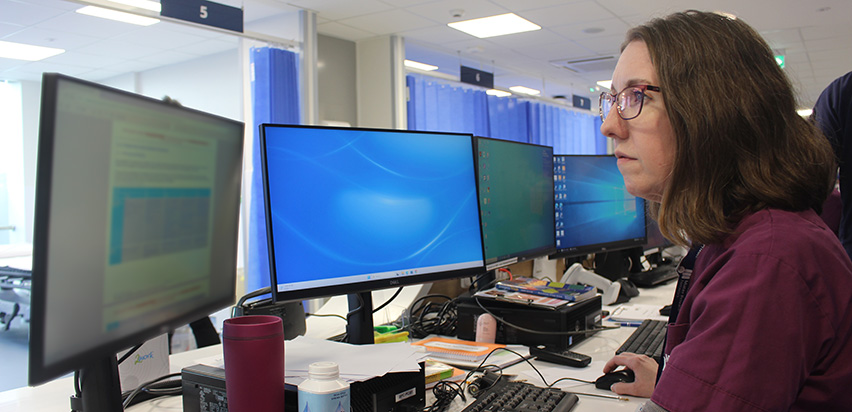
As CNM, I oversee both the Emergency Department and Urgent Cardiac Care, with day-to-day responsibilities that are diverse, hands-on, and fast-paced.
The role includes managing departmental operations, supporting staff, organising rotas, and ensuring patient safety at all times. Telephone triage is also a key part of the job, helping to assess patients and guide them to the appropriate care pathway.
In addition, the role involves escalating issues when needed, attending safety management meetings, and ensuring that every patient is seen and treated in a safe, efficient, and compassionate way. It’s a demanding position, but one that is deeply rewarding.
What does a typical day look like and when might a patient meet you?
No two days are the same, but preparation is key. The day often begins early to allow time for team briefings, system checks, and ensuring everything is in place before patients begin arriving.
From early morning, scheduled patients are reviewed to ensure all necessary information is available. At the same time, phone lines open for telephone triage, and walk-in patients begin to arrive throughout the day.
Depending on the day, the focus may be on triage to support patients over the phone or on managing the department, responding to challenges as they arise, and attending meetings related to safety, medications, or operational planning.
Patients may meet me at any stage of their journey, particularly if additional support, coordination, or escalation of care is needed.
Emergency Department
Mater Private Emergency Departments in Dublin and Cork provide fast rapid access to our dedicated and specialist emergency teams when you need it most.
Learn more.jpg?sfvrsn=bdbc3e72_0)
What do you enjoy the most about your role?
The most rewarding part of my role is the connection with both patients and staff.
Engaging with patients, understanding their stories, and helping them access the care they need is incredibly fulfilling. Even when patients arrive feeling unwell or anxious, there is a real sense of positivity when they receive answers and reassurance.
Equally important is the team. Working alongside a supportive and dedicated group of colleagues creates an environment that balances professionalism with friendship.
What are the most common conditions you see present at the Emergency Department?
In recent times, respiratory illnesses have been the most common presentations, including flu and respiratory syncytial virus (RSV), which are expected early in the year. These conditions have had a significant impact, particularly among older patients, sometimes requiring hospital admission.
Outside of peak respiratory seasons, more typical cases include abdominal pain, conditions requiring surgical intervention such as appendicitis, and occasional injuries like fractures.
We have put together a useful guide detailing some of the most common conditions seen in our Emergency Department and when is the right time to seek medical attention from your GP or attend the Emergency Department.
What conditions are most commonly seen in Urgent Cardiac Care?
Urgent Cardiac Care patients often present with symptoms such as palpitations, dizziness, shortness of breath, and blood pressure concerns.
Among these, palpitations and dizziness are the most frequently reported symptoms. These can affect a wide range of patients and often require prompt assessment to rule out or manage underlying cardiac conditions.
What age range of patients do you typically see?
Patients under the age of 16 are not seen in these departments, but beyond that, there is a wide age range.
In Urgent Cardiac Care, patients can range from young adults experiencing symptoms like palpitations to older patients with known cardiac conditions requiring ongoing management. While all adult age groups are represented, there tends to be a higher proportion of middle-aged to older patients.
What keeps you motivated in such a demanding environment?
The biggest source of motivation is the team. A strong, supportive group of colleagues makes even the most challenging days manageable. Everyone steps up to support each another when needed.
Seeing patients in need and being able to make a real difference is a powerful motivator. Their gratitude continually reminds us of the value of the care we provide.
How does your experience in the United States compare to working in Ireland?
In the U.S., the hospitals I worked in were Level 1 centres, dealing with a high volume of trauma cases. In my role in Ireland, the clinical focus is different, with fewer trauma presentations in comparison.
One of the most striking differences is the level of time consultants spend with patients in Ireland, allowing for more in-depth interaction and care. There is also a strong emphasis on patient comfort. Small but meaningful touches, such as offering refreshments, creates a more supportive patient experience.
Mater Private Network Emergency Department
Dublin: Tel: 1800 222 999 Email: emergency@materprivate.ie | Opening hours: 8am – 7pm, Every Day
Cork: Tel: 021 601 3333 Email: mpced@materprivate.ie | Opening hours: 8am – 8pm, Monday to Friday
Mater Private Network Urgent Cardiac Care
Dublin: Tel 1800 247 999 | Opening hours: 24 hours a Day, Every Day
Cork: Tel: 021 601 3326 Email: corkcardiology@materprivate.ie | Opening hours: 8am – 8pm, Monday to Friday
.jpg?sfvrsn=e1302c2f_1)
.jpg?sfvrsn=51b28ca9_1)
.jpg?sfvrsn=f05de223_1)