









20th July 2026
Understanding Hip Replacement: Who it is for, What is involved, and What to expect
Hip replacement surgery is often associated with older age, but this perception is changing. Today, people across a wide age range, including younger and more active adults, may benefit from advances in orthopaedic care that can help relieve pain, restore mobility and improve quality of life.
Modern joint replacement surgery has changed significantly over the years. With advances in surgical techniques, minimally invasive approaches, anaesthesia, prehabilitation and rehabilitation, many patients are now recovering faster and returning to everyday activities sooner than they may expect.Hip health isn’t just a later-life issue. Hip problems are not confined to the older population.
Adolescents and young adults who play physically intensive, high-impact sports such as rugby or football can place sustained stress on their joints over time, increasing the risk of injury and long-term damage. In addition, conditions such as hip dysplasia and femoroacetabular impingement can predispose individuals to early joint degeneration and arthritis, sometimes leading to the need for surgery at a younger age.
How do you know if joint replacement surgery may be right for you?
The main reason for considering joint replacement surgery is pain, particularly pain that is no longer responding to other treatment options. Before surgery is considered, patients are usually encouraged to explore non-surgical approaches first. These may include weight management, exercise, physiotherapy, pain management and lifestyle changes.
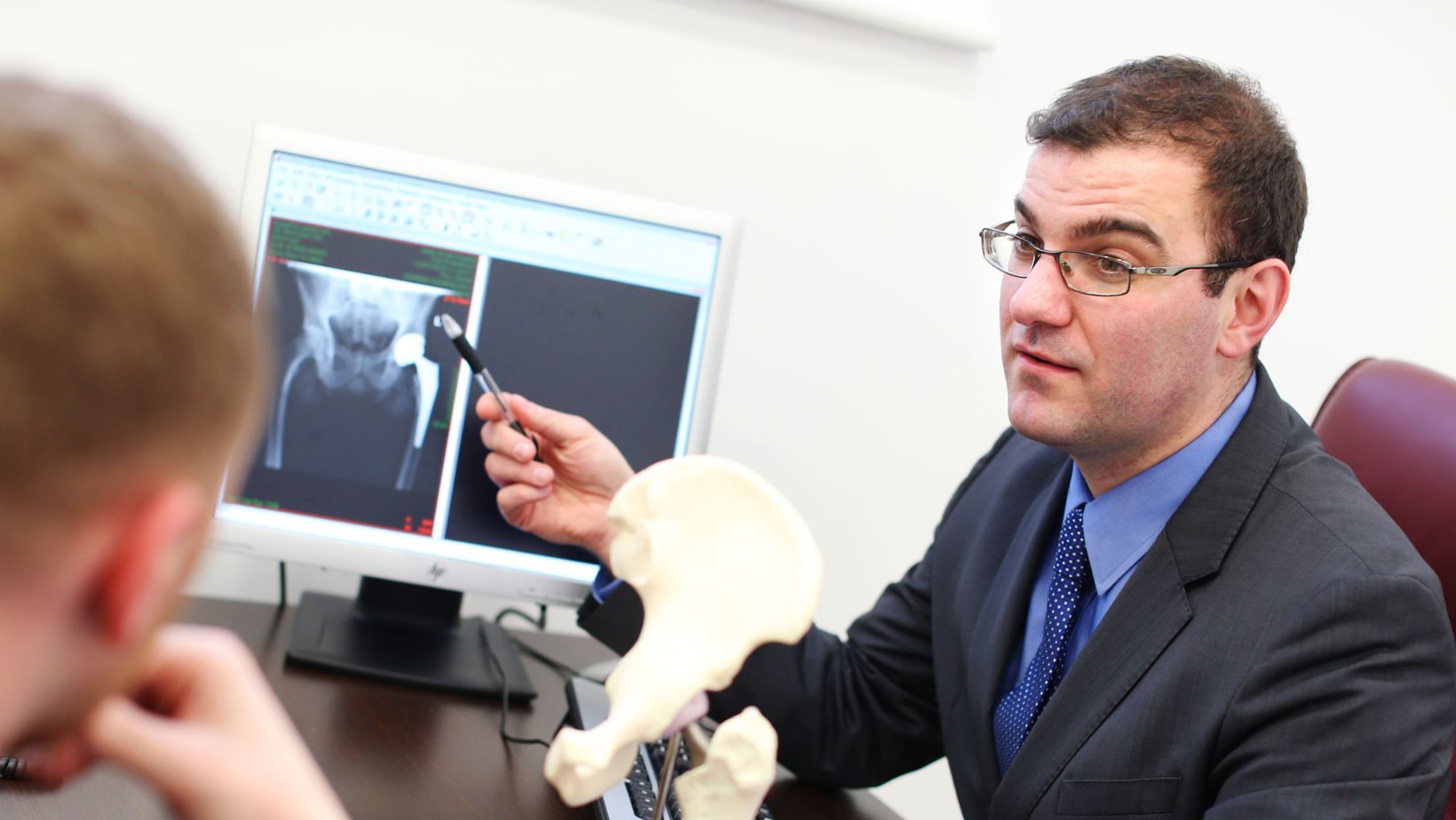
Maintaining a healthy weight can help reduce pressure on the joints, while appropriate exercise can support strength, flexibility and long-term joint function. According to Mr James Cashman, Consultant Orthopaedic Surgeon at Mater Private Network, joint replacement surgery is generally considered when pain becomes the main issue and other measures are no longer effective. While pain relief is the primary goal, surgery can also help improve mobility, function and the ability to return to normal daily activities. It is important not to leave symptoms too long before seeking advice.
Early assessment allows patients to understand their options, begin appropriate treatment and plan ahead if surgery is eventually needed. For people with physically demanding jobs or active lifestyles, planning the timing of surgery can also be an important part of the decision-making process.
Common causes of hip pain
The most common causes of chronic hip pain include:
- Osteoarthritis is the most common type of arthritis and occurs when the cartilage and other tissues within the joint break down, which usually happens gradually over time. Certain factors may make it more likely for you to develop osteoarthritis such as ageing, a history of trauma or injury to the joint, and family history of osteoarthritis.
- Rheumatoid arthritis is caused by an autoimmune disorder, where the body’s immune system mistakenly attacks the body’s healthy tissue affecting the lining of the joints.
- Post-traumatic arthritis can develop after an injury to the joint, leading to accelerated wear and tear of the cartilage over time.
- Hip dysplasia causes the hip socket to be abnormally shallow, causing the bone of the femur to not fit securely into the socket.
Preparing for surgery
Preparation before surgery plays an important role in recovery. Patients usually attend a pre-assessment clinic before their procedure, where they are reviewed by nursing and anaesthetic teams. This helps ensure they are medically optimised before surgery.
For patients with pre-existing conditions, such as cardiac disease, respiratory disease or diabetes, this assessment is especially important. The aim is to identify and manage any risks before the operation takes place.
Prehabilitation is also becoming an increasingly important part of joint replacement care. This means preparing the body before surgery through targeted exercise, physiotherapy and lifestyle changes. Strengthening the muscles around the joint before surgery can make rehabilitation easier afterwards.
Physiotherapy before surgery can help improve strength, flexibility and confidence. Patients may also be advised to look at factors such as diet, smoking and alcohol intake, as these can affect healing and recovery.
What to expect from modern hip replacement surgery
Hip replacement is a standard surgical procedure that replaces the damaged parts of the hip joint with a prosthetic implant. The aim is to replicate the natural movement of the hip, reduce pain and improve function.
A standard hip replacement operation can now be completed relatively quickly, and many patients are admitted on the day of surgery. Depending on the patient and their individual circumstances, some may be able to return home the same day, while others may stay in hospital for a short period, often around 24 to 48 hours.
The care pathway does not end once the patient leaves hospital. Follow-up support is an important part of modern recovery. Orthopaedic nurse specialists can provide guidance and reassurance after discharge, helping patients manage questions or concerns once they are back at home. This support can give patients greater confidence and may help them feel more comfortable returning home earlier.
Orthopaedics
The orthopaedics centre provides elective services for patients with acute and chronic musculoskeletal issues requiring reconstruction or joint replacement.
Learn more
Recovery and rehabilitation
Recovery following hip replacement has improved significantly in recent years due to advances in surgical techniques, anaesthesia and rehabilitation.
Typically, patients can expect:
- Early mobilisation, often within a day of surgery
- Use of walking aids initially, with gradual return to independence
- A structured recovery period of around 6 to 12 weeks for most daily activities
- Continued improvement over several months, with full recovery potentially taking up to a year
Rehabilitation plays a crucial role, with physiotherapy beginning almost immediately after surgery to restore strength, flexibility and function. Preparation before surgery and adherence to a structured rehabilitation programme are both key factors in achieving a successful outcome.
Outcomes and quality of life
For many patients, hip replacement surgery is life changing. Studies consistently show that over 90% of patients experience significant pain relief and improved function following the procedure. In addition, around 95% of modern hip implants are still functioning well 15 years after surgery, demonstrating strong long-term outcomes.
After recovery, most patients return to everyday activities such as walking, driving and low-impact exercise, with many regaining independence and quality of life they had lost due to chronic pain.
Who do I contact?
If you are experiencing ongoing hip pain or would like to explore your treatment options, you should first book an appointment with your GP. With a referral letter, you can then contact one of our two Mater Private Network Orthopaedic and Spine Centres in Dublin and Cork.
The above content was provided by Mr. James Cashman, Consultant Orthopaedic Surgeon at Mater Private Network in Dublin.
.jpg?sfvrsn=c9cf6c7b_1)
.jpg?sfvrsn=c48321ac_1)