






8th April 2026
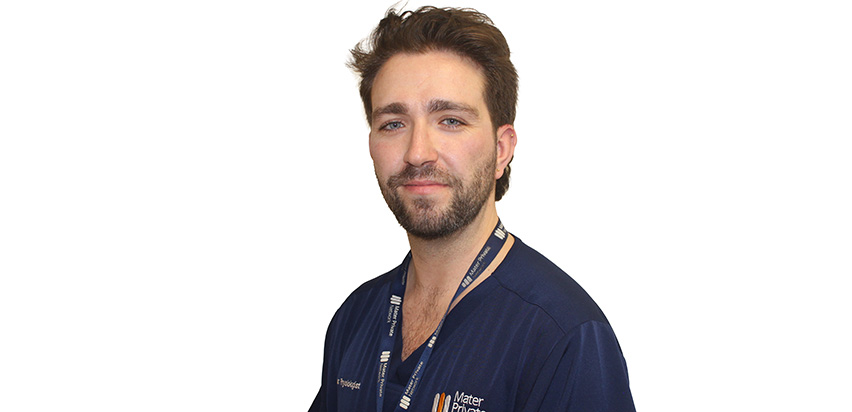
Meet Leandro Brito - Senior Cardiac Physiologist
One of the key roles within our cardiology team is the cardiac physiologist. They are experts in heart diagnostics and procedures who play an essential part in supporting and informing both patients and clinicians.
We spoke with Leandro Brito, senior cardiac physiologist at Mater Private Network in Cork, to learn more about his role, daily routine, and what motivates him and his colleagues within such a dynamic environment. Leandro is from Portugal but has been working in our Cork hospital for the last three-and-a-half years.
Can you describe your role and how it supports patient care?
As a cardiac physiologist, my role centres on performing a wide range of cardiology tests that form the foundation of our patients’ assessments. Every patient typically begins with an electrocardiogram (ECG). From that point, testing is personalised to the individual, guided by their symptoms and past medical history.
The team carries out a variety of other non-invasive tests which can include stress tests and ambulatory heart monitoring. They also support more advanced procedures, including pacemaker follow-ups and working closely with cardiology teams during invasive procedures like stent placements, ablations, and pacemaker insertions.
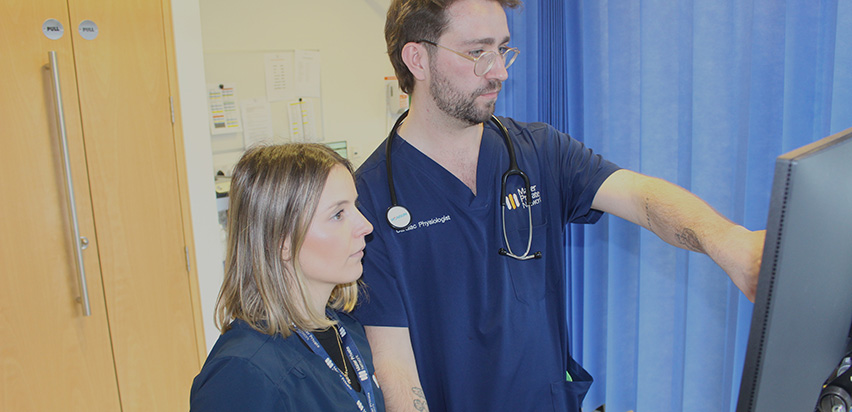
In this role, each day brings something different, involving work across multiple areas of the department. As a senior cardiac physiologist, I have additional responsibilities such as supporting departmental development, training colleagues, and overseeing standards of care.
What does a typical day look like for you and your team?
A typical day varies depending on the setting. In the cardiac catheterisation lab, the work involves close collaboration with cardiologists, nurses, radiographers, and other specialists.
In the diagnostic department, the day usually begins in the morning with setting up equipment and reviewing patient lists. Once clinics begin, the focus shifts to patient interaction. Each patient is welcomed and guided through their tests, with clear explanations to help them feel at ease.
Communication is essential. If a patient is anxious, it can affect their heart rate and, ultimately, the accuracy of the results. Tests can range from electrocardiograms (ECGs), which can take just a few minutes, to longer stress tests which can last up to 40 minutes.
After each test, results are analysed and reports are prepared for consultants. If a patient is scheduled to see a consultant the same day, results are shared ahead of that meeting to support timely clinical decisions.
Urgent Cardiac Care
Mater Private Urgent Cardiac Care in Dublin and Cork is available to patients who have urgent cardiac symptoms.
Learn more.jpg?sfvrsn=f0a336c4_0)
What types of cardiac tests and technology do you work with most frequently?
Daily work involves a range of specialised equipment and technologies. Commonly used tools include electrocardiogram machines, treadmill systems for stress testing, and ambulatory heart monitors that patients can wear at home for up to seven days.
The department also manages pacemaker follow-ups and supports echocardiography services carried out by colleagues. In more advanced settings like the catheterisation lab, physiologists monitor procedures from the control room, keeping a close eye on patient vital signs and alerting the team immediately if any issues arise.
How does your work help clinicians make faster, more accurate decisions?
Cardiac physiologists are typically the first to review and interpret test results. By analysing and reporting findings quickly, they enable consultants to make timely and informed decisions about patient care.
In more acute settings, this early intervention can be critical. Physiologists are trained to recognise abnormalities immediately and escalate concerns when necessary, ensuring patients receive urgent care without delay.
What differences have you noticed between working in Ireland and Portugal?
Having worked in both healthcare systems, the differences are significant. In Portugal, working in a public hospital meant being on the frontline in emergency departments, often performing electrocardiograms during triage and responding directly to urgent cases.
In Ireland’s private healthcare setting, there is a strong emphasis on delivering care to the highest possible standard. The level of patient experience and attention to detail stands out, with a focus on comfort, efficiency, and quality of care throughout the patient journey.
What do you enjoy most about your role?
The most rewarding aspect is working with patients. Taking the time to listen to their stories, reassure them, and guide them through procedures makes a real difference. Stress tests, in particular, offer an opportunity to build a relationship quickly. Patients often arrive feeling anxious but leave feeling reassured and positive.
There is also great satisfaction in seeing a patient’s journey through our services, from identifying a serious issue to supporting their treatment and recovery.
As a senior cardiac physiologist, another rewarding element is mentoring and training colleagues. Watching team members grow in confidence and expertise, especially those you’ve helped train, brings a strong sense of achievement.
What keeps you motivated in such a demanding role?
Patient care remains the biggest motivator, but creativity also plays an important role. Developing new ideas, improving processes, and introducing initiatives keeps the role engaging and prevents it from becoming routine.
Can you share some initiatives you’ve introduced?
One of the first initiatives I introduced was a structured training programme for nursing staff on performing 12-lead electrocardiograms. While many staff were already familiar with the process, the training focused on standardising techniques and ensuring best practice guidelines were followed.
Another key initiative has been supporting students from University College Cork as part of their master’s degree programme in clinical measurement physiology. Acting as a tutor, I have helped train several students during their placements, some of whom have since joined our team.
The focus on education and development continues to shape the future of our department and our profession.
.jpg?sfvrsn=51b28ca9_1)