









07th July 2027
What You Should Know About PAP flap breast reconstruction: Expert Corner with Mr. Jamie Martin-Smith
Around 3600 cases of female breast cancer are diagnosed annually across Ireland with over 1600 mastectomies carried out each year as part of the treatment process. Many of these women choose to have breast reconstruction surgery either at the time of their mastectomy or at a later date when their treatment has been completed.
There are two main ways to carry out breast reconstruction – implant reconstruction and autologous reconstruction. With autologous reconstruction, a piece of tissue containing skin, fat and blood vessels is taken from another part of your body and used to rebuild the breast. This piece of tissue is called a flap. A flap can be taken from numerous different areas of the body including the lower abdomen, the thighs, the flanks and the back.
What is PAP flap reconstruction?
PAP (profunda artery perforator) flap reconstruction is an autologous (own tissue) form of breast reconstruction. The PAP flap is taken from your upper thigh, usually just under your buttocks and inner groin crease. Like DIEP flap reconstruction, PAP flap reconstruction is considered a muscle-preserving procedure because surgeons do not remove muscle.
When is PAP flap reconstruction considered?
PAP flap reconstruction can be an option for patients who are very slim with very little abdominal tissue or who have had significant previous abdominal surgery, i.e. a DIEP flap or an abdominoplasty (tummy tuck). Alternatively, some patients prefer the scar location on the inner thigh.
What should patients expect with a PAP flap procedure?
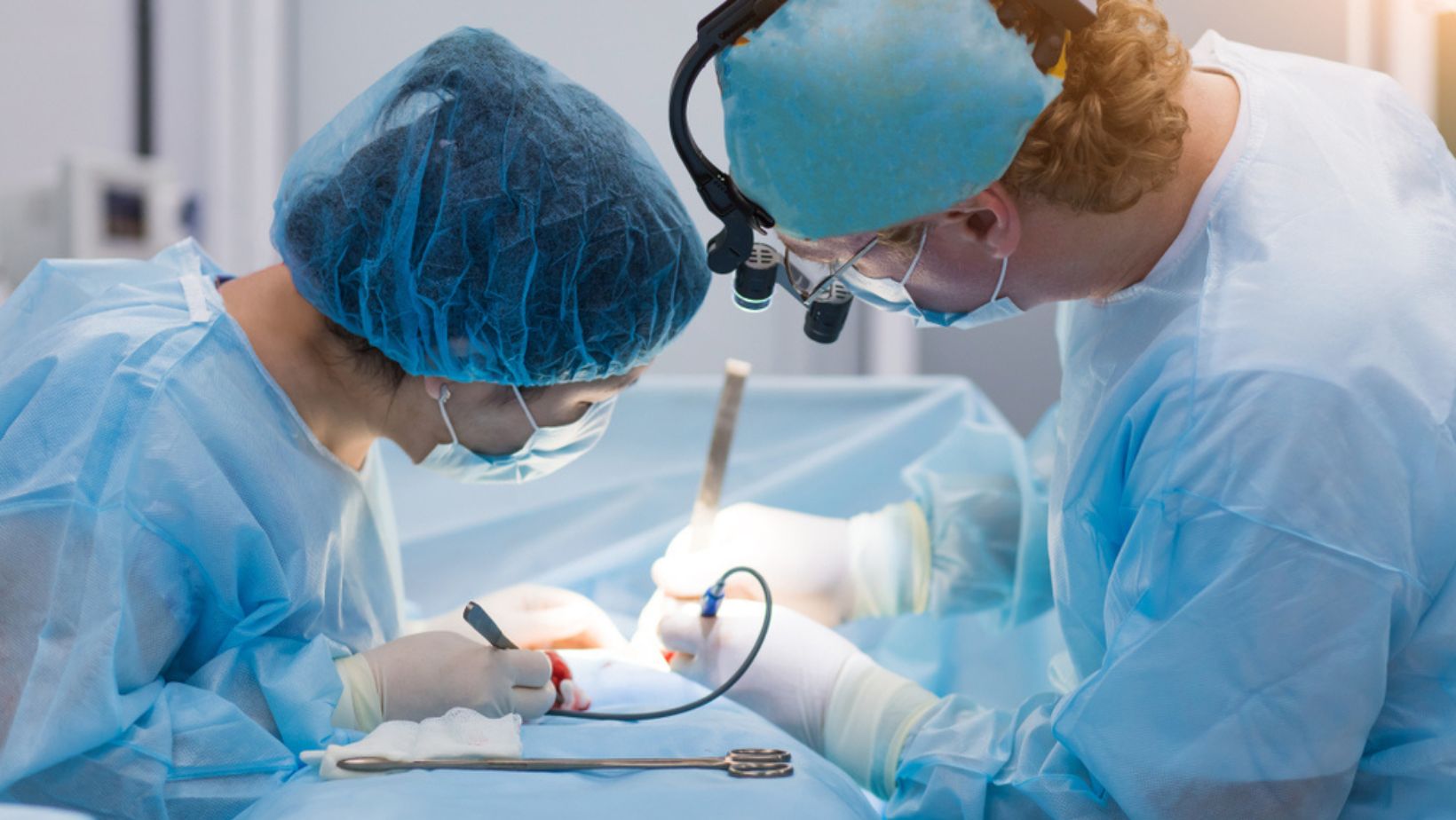
During a PAP flap procedure, surgeons make a cut in the back of the upper thigh just below the buttocks and remove a section (flap) of skin, fat, and blood vessels to reconstruct the breast mound. Surgeons then attach the tiny blood vessels in the flap to the blood vessels in your chest. As the PAP flap is smaller than the DIEP flap on average, it usually makes a smaller, more rounded breast. Occasionally two PAP flaps are required to obtain sufficient volume for one breast reconstruction.
Because the incision is close to the pant line, the scar is relatively inconspicuous. PAP flap procedures take from three to five hours, and patients usually need to stay in hospital for 3 to 4 days.
Breast Reconstruction
Breast reconstruction is an option for women who require a mastectomy. For some women, it helps them to feel more like themselves again.
Learn more.jpg?sfvrsn=32d9549f_0)
What are the risks of the procedure?
As with any surgery there are associated risks including blood clots, fluid build-up at the wound site, and infection. There is also a risk that the blood supply to the flap is insufficient and that the flap fails. You may also find that your thighs look uneven after a PAP flap procedure, especially if only one side is used. There are associated scars, as with any flap reconstruction procedure.
What is the recovery like from a PAP flap procedure?
Recovery from a PAP flap procedure is slightly quicker than from DIEP flap surgery as DIEP flap surgery takes the skin and fat from around your core abdominal muscles, which can make things like getting out of bed and standing up a little bit more uncomfortable. With PAP flap surgery, your core muscles are not affected and so it doesn't affect your movement. However, your thigh may feel tight for a while at first, and you will feel a stain through your thigh muscles for a period.
The downside to PAP flap surgery is that it's a little bit more tricky to manage the dressings in around the groin area.
Is PAP flap reconstruction available at Mater Private Network?
Yes, we have been providing autologous breast reconstructive services in Mater Private Network Dublin since 2022 and have the second largest own-tissue breast reconstructive unit in the country. Mater Private Network is the only private hospital in Ireland in which this complex surgery is performed for immediate breast cancer reconstruction.
.jpg?sfvrsn=ac8a10d7_1)
.jpg?sfvrsn=ee0f5b66_1)